var T24pgnsN =
{
menusystembengali :
" "+
"এই পাতার জায়গাসমূহঃ-"+
"পেজ মেনু দেখতে ক্লিক করুন"+
" •বাওয়ালি"+
" •আছিপুর "+
" •চন্দ্রকেতুগড়"+
" •গোবরডাঙ্গা",
menusystemenglish :
" "+
"Places in This Page:-"+
"Click To See Page Menu"+
" •Bawali"+
" •Achipur "+
" •Chandraketugarh"+
" •Gobordanga",
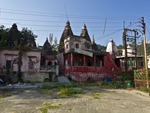
bawalibengali : "বাওয়ালিঃ-বাংলার জমিদাররা একসময় অত্যন্ত ধনী ও সুবিধাভোগী শ্রেণীর অন্তর্গত ছিলেন, যা আজ কল্পনাও করা যায় না। তারা নবাব, ঠাকুর ও অভিজাত সম্প্রদায় হিসাবে চিহ্নিত ছিলেন ও অত্যন্ত বিলাসবহুল জীবন-যাপন করতেন। এরকমই এক পরিবারের নাম মণ্ডল, যারা প্রায় ৪০০ বছর আগে বাওয়ালিতে রাজত্ব করতেন। দিল্লীর সম্রাট আকবরের এক আর্মি অফিসার, শোভা রাম রাই, বিভিন্ন কৃষক আন্দোলন ও জলদস্যুদের পরাস্ত করে দেশে শান্তি ফিরিয়ে আনেন। তাঁর কাজের পুরস্কার স্বরূপ, বাংলাদেশের একদম কোণে, প্রায় তিন লক্ষ একর জমি দান করেন। শোভা রাম রাই আদতে উত্তরপ্রদেশের লোক, কিন্তু তাঁকে মণ্ডল উপাধিতে ভূষিত করা হয়। জায়গাটা তখন জলাভূমি, ম্যানগ্রোভ অরণ্যে ভর্তি ও বাঘদের বিচরণস্থল ছিল। অর্থাৎ সুন্দরবনের একটা অংশ ছিল। আর এইসব লোককথা, এক প্রজন্ম থেকে আর এক প্রজন্মে ঘুরে বেড়াচ্ছে। এখানকার স্থানীয় মানুষজন ছিলেন বাউলি গোষ্ঠীর। তাদের মূল জীবিকা ছিল, মাছ ধরা ও মধু সংগ্রহ করা। তাঁরা পুজো করতেন বন বিবির। কিন্তু মণ্ডলরা ছিলেন কৃষ্ণভক্ত। তাঁরা প্রথমে একটা রাধাকান্ত জীউ মন্দির স্থাপন করেন। আস্তে আস্তে তাঁদের বাড়ি-ঘর, মন্দির মিলিয়ে এলাকাটা প্রায় একটা গ্রামের আকার নেয়। তার মধ্যে ২৫০ বছর আগে তৈরি রাজবাড়ি, স্থাপত্যের এক সেরা নিদর্শন। এই অসামান্য স্থাপত্য, প্রায় ১৭০ বছর ধরে মহান রাজাদের বিলাসবহুল জীবন, বিভিন্ন অনুষ্ঠান, পুজো, অত্যাচার, ষড়যন্ত্র, যুদ্ধ, ভালবাসা, ব্যবসা আবার কলা সমৃদ্ধ নিদর্শনের সাথে সাথে, বহু বিশিষ্ট মানুষজনদেরও দেখেছে। কিন্তু স্বাধীনতার পর জমিদারী প্রথা বিলুপ্ত হবার সাথে সাথে, জমিদারদের স্বর্ণযুগের পতন হয়। ফলে রাজবাড়িও অব্যবহার্য হয়ে পড়তে খাকে। অনেক বংশধরই অন্য জায়গায় গিয়ে, স্থায়ীভাবে বসবাস করতে থাকেন। কিছু বংশধর চেষ্টা করেন, রাজবাড়ির পুরানো ঐতিহ্যকে রক্ষা করতে। তখন বিভিন্ন ফ্লিম শুটিং বা মুভি দেখানোর জন্যে রাজবাড়ি ভাড়া দিতেন। এই প্রচেষ্টা অচিরেই নষ্ট হয়ে যায়, কারণ রক্ষণাবেক্ষণের বিপুল খরচ বহন করা তাঁদের পক্ষে অসম্ভব হয়ে পড়ে। তখন অজয় রাওয়ালা নামে এক ব্যবসায়ী, এই রাজবাড়িকে হোটেল তৈরির জন্যে প্রস্তাব দেয়। তাতে রাজবাড়ির বসবাসকারীরা রাজি হন, ও তখন থেকে রাজবাড়ি হোটেলে পরিণত হয়। আগে ভিতরে গিয়ে দেখার অনুমতি দিলেও, এখন ব্যাপারটা অসভ্যতার পর্যায়ে চলে গেছে। এমনকি কাছ থেকে গেটের ছবিও তুলতে দেয় না। আমার সঙ্গে অন্তত এমনটাই হয়েছে। আর গ্রামের মানুষজনদের বক্তব্য, বিভিন্ন ক্ষমতাবান ব্যক্তি ও প্রভাবশালী রাজনৈতিক চরিত্র, এখানে আসার ফলে, এই জায়গার সংজ্ঞা পাল্টে যাচ্ছে। গ্রামের মানুষের কাছে তাই এখন এই রাজবাড়ি-হোটেল এক চিন্তার বিষয়।"+
"Read More..."+
"
"+
" 🔊 "+
""+
" 🎞️"+
"স্লাইডশোর জন্যে নীচের ছবিতে ক্লিক করুন ⇩"+
"
"+
"পেজ মেনুতে যান ⇧",
bawalienglish : "Bawali:-The landlords of Bengal once belonged to a very rich and privileged class, which is unimaginable today. They were identified as Nawabs, Thakurs and aristocrats and lived a very luxurious life. One such family is called Mandal, who ruled in Bawali about 400 years ago. Sobha Ram Rai, an army officer of Emperor Akbar of Delhi, brought peace back to the country by defeating various peasant movements and pirates. As a reward for his work, Akbar donated about three lakh acres of land in the far corners of Bangladesh. Shobha Ram Rai is originally from Uttar Pradesh, but he was awarded the title of Mandal. The place was then a wetland, filled with mangrove forests and a place for tigers to roam. That was a part of the now-Sundarbans. And these folktales are being passed down from one generation to another. The local people here belonged to the Bauli group. Their main livelihood was fishing and collecting honey. They used to worship Bon Bibi. But the Mandals were Krishna devotees. They first set up a Radhakanta Jiu temple. Gradually their houses, temples and the area became almost a village. Among them, the palace built 250 years ago, is one of the best examples of architecture. This magnificent architecture has seen the luxurious life of great landlords for almost 160 years, various ceremonies, worships, tyrannies, conspiracies, wars, love, business and art-rich specimens, as well as many eminent people. But with the abolition of landlord system after independence, the golden age of landlords fell. As a result, the palace also becomes unusable. Many descendants move to other places and live there permanently. Some descendants tried to preserve the old tradition of the palace. Then they used to rent the palace for shooting various films or showing movies. This effort soon fails, as it becomes impossible for them to bear the huge cost of maintenance. Then a businessman named Ajay Rawala proposed to the members of the palace owner to build a hotel. The residents of Rajbari agreed to this, and from then on Rajbari became a hotel. Earlier the hotel allowed going inside, but now the matter has gone to the stage of rudeness. They do not even allow me to take pictures of the front gate. At least that's what happened to me. According to the people of the village, various powerful people and influential political figures are coming here regularly, and as a result of which, the definition of this place is slowly changing. So now this palace-hotel is a matter of concern to the people of the village. "+
"Read More..."+
"
"+
" 🔊 "+
""+
" 🎞️"+
"Click any Picture for Slide Show ⇩"+
"
"+
"Go To Page Menu ⇧",
photobawali :
""+
""+
""+
""+
""+
""+
""+
""+
""+
"",
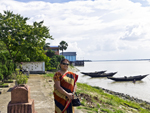
achipurbengali : "অছিপুরঃ-অছিপুর একটা চিনা কলোনি, যা এক চিনা ব্যবসাদার টং অছির নামে করা হয়েছে। অষ্টাদশ শতাব্দীর শেষভাগে টং অছি দক্ষিণ বজবজে, হুগলী নদীর তীরে একটা চিনিকল তৈরি করেন। টংয়ের পুরানো ইতিহাস খুব একটা পাওয়া যায় না, তবে তিনি একজন চায়ের ব্যবসাদার ছিলেন বলে জানা যায়। তখন ভারতের শাসনকর্তা ছিলেন, অত্যন্ত নৃশংস চরিত্রের কুখ্যাত গভর্নর জেনারেল ওয়ারেন হেস্টিংস। সেই সময় চিনা শাসকরা বিদেশীদের কোনভাবেই তাঁদের দেশে প্রবেশ করতে দিতেন না, বিশেষত ইউরোপিয়ানদের। কিন্তু হেস্টিংস দেখেছিলেন, যে চিনে একটা বড় ব্যবসার সুযোগ আছে। তাই ১৭৭৮ সালে তৎকালীন সাম্রাজ্যবাদী ব্রিটিশ সরকারের প্রতিনিধির কাছে, টং যখন বাৎসরিক ৪৫ টাকা ভাড়ায় ৬৫০ বিঘে জমির জন্য আবেদন করেন, তখন তা সাথে সাথে অনুমোদন করা হয়। উদ্দেশ্য ছিল, টংকে দিয়ে চিনে ব্যবসার পটভূমি তৈরি করা। টং চিনিকলের কাঁচামাল যোগানের জন্যে এই জায়গায় আখের ক্ষেত তৈরি করেন। তবে তাঁর এই ব্যবসা স্থায়ী হয় না। নদীর জলে আখের ক্ষেত নষ্ট হয়ে যাওয়া, ও চিনিকল পুরানো হয়ে যাওয়ার ফলে, সমস্ত কিছু বন্ধ হয়ে যায় ও এলাকাটা পরিত্যক্ত হয়ে পড়ে। চিনা সম্প্রদায়ের মানুষজন, যারা ঐ চিনিকলের ওপর নির্ভরশীল ছিলেন, তাঁরা অন্য এলাকায় গিয়ে বসবাস করতে শুরু করেন, বিশেষত কলকাতার টেরিটি বাজার, বৌবাজার ইত্যাদি এলাকায়। একা শুধু পড়ে থাকে, ১৭১৮ সালে তৈরি চিনা মন্দির। বর্তমানে অছিপুরে শুধু মন্দির ও টং অছির কবর দেখা যায়, বাকি সবই কালের প্রবাহে শেষ হয়ে গেছে। তবে অছিপুরের কাছে গঙ্গার সৌন্দর্য সবাইকে মুগ্ধ করবেই। "+
"Read More..."+
"
"+
" 🔊 "+
""+
" 🎞️"+
"স্লাইডশোর জন্যে নীচের ছবিতে ক্লিক করুন ⇩"+
"
"+
"পেজ মেনুতে যান ⇧",
achipurenglish : "Achipur:-Achipur is a Chinese colony named after a Chinese trader, Tong Achi. In the late eighteenth century, Tong Achi built a sugar mill on the banks of the Hooghly River in the southern Budgebudge. The history of Tong is not very well known, but he is known to have been a tea merchant. The then ruler of India was Warren Hastings, the infamous Governor General of extremely brutal character. At that time, the Chinese rulers did not allow foreigners, especially Europeans, to enter their country. But Hastings saw that there was a big business opportunity in China. So in 1778, when Tong applied for 750 bighas of land at an annual rent of 45 rupees, to the representative of the then imperialist British government, it was immediately approved. The purpose was to create a Chinese business background with Tong. Tong set up a sugarcane field in this place to supply the raw material of the sugar mill. However, his business was not long-lasting. As the sugarcane fields were destroyed by the river water, and the sugar mill became old, everything was shut down and the area was abandoned. The people of the Chinese community, who were dependent on the sugar mill, moved to other areas, especially in the Territe Bazaar, Baubazar, etc. of Kolkata. The only thing left is the Chinese temple built in 1817. At present only the temple and the tomb of Tong Achi can be seen in Achipur, all the rest are gone in course of time. However, the beauty of the Ganges near Achipur will fascinate everyone. "+
"Read More..."+
"
"+
" 🔊 "+
""+
" 🎞️"+
"Click any Picture for Slide Show ⇩"+
"
"+
"Go To Page Menu ⇧",
photoachipur :
""+
""+
""+
""+
""+
""+
""+
""+
""+
"",
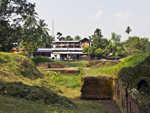
chandraketugarhbengali : "চন্দ্রকেতুগড়–সিন্ধু সভ্যতার সমসাময়িক একটা ধ্বংসপ্রাপ্ত সভ্যতা-পুরানো আখ্যান যখন কাউকে ভীষণভাবে আকর্ষণ করে, নিশা-স্বপ্ন যখন চলমান জীবনের মধ্যে আস্তে আস্তে সৃষ্টি করে অস্তিত্বহীন, কিন্তু অত্যন্ত অন্তরঙ্গ নতুন এক অনুভব, যখন পুরানো অতীত কাউকে ইশারা করে তার স্বাদ নেবার জন্যে, তখন সে সুযোগ পাওয়া যায় কলকাতা থেকে ৫০ কি.মি. দূরে অবস্থিত হাড়োয়ার কাছে চন্দ্রকেতুগড়ের ধ্বংসস্তূপ থেকে। পুরানো ইতিহাস, বিশেষত খননকার্যের ফলে যে সমস্ত ঐতিহাসিক সভ্যতা খুঁজে পাওয়া যায়, তা আমাকে বেশ আকর্ষণ করে, তা সে আমার জ্ঞান-গম্মি যাই থাক না কেন। আমি কেমন যেন রূপকথার গল্পের মতো, কোন এক অলীক কল্পনায় হারিয়ে যাই। ব্রিটিশ প্রত্নতাত্ত্বিক অ্যালবার্ট হেনরি লংহার্স্ট, ১৯০৭ সালে বেড়াচাঁপায় একটা ঢিপির ওপর খননকার্য চালান, ও সেখান থেকে বেরিয়ে আসে, চতুর্থ থেকে দ্বাদশ শতাব্দীর গুপ্ত রাজত্বের অত্যন্ত পুরানো এক সভ্যতার নিদর্শন। চন্দ্রকেতুগড় একটা তিন স্কো. কি.মি. এলাকা, যেখানে রয়েছে কয়েকটা ছোট ছোট গ্রাম যেমন দেউলিয়া, হাদিপুর, ঝিকরা, সানপুকুর, বেড়াচাঁপা, সিংহেরাতি ইত্যাদি। এলাকাটা, ভাগীরথী নদীর একটা ধারা, বিদ্যাধরী নদীর খুব কাছেই অবস্থিত। একসময় চন্দ্রকেতুগড় একটা বর্ধিষ্ণু জনপদ ছিল। খননকার্যের ফলে, এখান থেকে বিভিন্ন রকমের টেরাকোটার কাজ সমৃদ্ধ হস্তনির্মিত জিনিসপত্র পাওয়া যায়, যার মধ্যে মানুষের প্রতিকৃতি, খেলনা, শিলমোহর, পুঁতি, পাথরের শব্দ করার জিনিস, শিশু সমেত মহিলার প্রতিকৃতি, জন্তু-জানোয়ারের প্রতিকৃতি, স্থানীয় আচার ও বুদ্ধের জাতকের প্রতিকৃতি ইত্যাদি উল্লেখযোগ্য। তবে পরিচর্যার অভাবে, তার বেশির ভাগই, কিছু মানুষের ব্যক্তিগত সম্পত্তি হয়ে যায়। কেউ কেউ তা সংরক্ষণ করেন ও কেউ কেউ তা বিভিন্ন ভাবে বিক্রি করে দেন। যারা সংরক্ষণ করেন, তাঁদের মধ্যে দিলীপ কুমার মাইতি ও আসাদ উজ জাম্মান উল্লেখযোগ্য। এনাদের হাত থেকে এইসব প্রত্নতাত্ত্বিক সংগ্রহ নিয়ে, সরকার একটা সংগ্রহশালা তৈরি করেছেন। স্থানীয় লোককথা অনুযায়ী, চন্দ্রকেতুগড় নামটা এসেছে, পুরাণে উল্লিখিত মধ্যযুগের হিন্দু রাজা চন্দ্রকেতু থেকে, যার সাথে সৌদি আরবের জেড্ডা শহরের এক মুসলিম ধর্মপ্রচারক, পীর গোরাচাঁদের এক ভয়ঙ্কর যুদ্ধ হয়েছিল। কিন্তু তার কোনও প্রমাণ নেই। তবে খড়গপুর আই.আই.টি-র গবেষণা বিভাগের সাম্প্রতিক তথ্য অনুযায়ী, গ্রীক পর্যটক মেগাস্থিনিস এখানকার যে রাজার নাম করেছেন, তা মৌর্য সাম্রাজ্যের চন্দ্রগুপ্ত নয় কিন্তু চন্দ্রকেতু, যার ফোর্ট রয়েছে চন্দ্রকেতুগড়ে। আলেকজান্ডারের মৃত্যুর পর, মেগাস্থিনিস, সেলুকাসের দূত হিসাবে ভারতে আসেন খৃষ্টপূর্ব তৃতীয় শতাব্দীতে। তিনি তাঁর ইণ্ডিকা গ্রন্থে এটা উল্লেখ করেন যে, চন্দ্রকেতু গঙ্গাঋদ্ধি রাজ্যের একজন অত্যন্ত ক্ষমতাশালী রাজা ছিলেন ও তাঁর রাজ্যের বিস্তৃতি ছিল গাঙ্গেয় ত্রিভুজ ও পার্শ্ববর্তী অঞ্চলে, বা এককথায় অঙ্গ, বঙ্গ কলিঙ্গে। গ্রিক ঐতিহাসিকদের মতে, আলেকজান্ডার তার ভারতবর্ষ অভিযান থেকে সরে এসেছিলেন, কারণ তাহলে তাকে গঙ্গাঋদ্ধি আক্রমণ করতে হতো। আলেকজান্ডার আশঙ্কা করছিলেন, গঙ্গাঋদ্ধি সাম্রাজ্য আক্রমণ করার পরিণতি হবে ভয়াবহ। এত কিছু সত্যেও, পুরো খননকার্য, কোনও এক অজ্ঞাত কারণে আজ অব্দি করা হয়নি। নোবেল জয়ী অর্থনীতিবিদ ডঃ অমর্ত্য সেন বলেন, পুরো খননকার্য করা হলে এটা একটা প্রাচীন সভ্যতাকে নির্দেশ করবে। হার্ভার্ড বিশ্ববিদ্যালয়ের অধ্যাপক ডঃ সুগত বসু বলেন, পুরো খননকার্য হলে হয়ত দেখা যেত, চন্দ্রকেতুগড় ময়ূরা রাজত্বেরও আগের কোনও সভ্যতা, ও বাংলার ইতিহাস সেক্ষেত্রে অন্যভাবে লেখা হতো। "+
"Read More..."+
"
"+
" 🔊 "+
""+
" 🎞️"+
"স্লাইডশোর জন্যে নীচের ছবিতে ক্লিক করুন ⇩"+
"
"+
"পেজ মেনুতে যান ⇧",
chandraketugarhenglish : "Chandraketugarh, a ruined civilization contemporary with the Indus Valley Civilization:-When the old story attracts someone, the hallucination slowly creates a non-existent, but very intimate new feeling in the ongoing life, when the old past hints at someone to taste it; he gets a chance to see from the ruins of Chandraketugarh near Haroa, just by travelling 50 km from Kolkata. Old history, especially all the historical civilizations that have been discovered as a result of excavations, fascinates me, no matter what my knowledge is. It's as if I'm lost in a fantasy, like a fairy tale. Albert Henry Longhurst, a British archaeologist, excavated a mound at Berachampa in 1908, and came out of it with a specimen of a very old civilization of the Gupta dynasty of the fourth to twelfth centuries. Chandraketugarh is a three sq. Km. area, where there are a few small villages like Deulia, Hadipur, Jhikra, Sanpukur, Berachampa, Singherati etc. The area, a tributary of the Bhagirathi River, is very close to the Vidyadhari River. At one time Chandraketugarh was a prosperous town. As a result of the excavations, a wide variety of terracotta handicrafts have been found here, including human portraits, toys, seals, beads, stone sounding objects, portraits of women with children, animal portraits, local customs and Buddha portraits. But for the lack of care, most artifacts become the private property of some people. Some saved the artifacts and some sold those in different ways. Among those who saved were Dilip Kumar Maiti and Asad Uz Zaman. With the archeological collections from these people, government has built a museum. According to local folklore, the name Chandraketugarh comes from the mythical medieval Hindu king Chandraketu, with whom Pir Gorachand, a Muslim missionary from Jeddah, Saudi Arabia, fought a fierce battle. But there is no proof of that. However, according to the latest information from the research of Kharagpur IIT, the king’s name mentioned by the Greek tourist Megasthenes, is not the Mauryan Emperor Chandragupta, but Chandraketu, whose fort is situated at Chandraketugarh. After Alexander's death, Megasthenes came to India as an ambassador of Seleucus in the third century BC. He mentioned in his Indica treatise that, Chandraketu was a very powerful king of the Gangariddhi kingdom and that his kingdom extended to the Gangetic triangle and the adjoining region or in other words, to Anga, Banga Kalinga. According to Greek historians, Alexander withdrew from his expedition to India, because he had to attack the Gangariddhi. Alexander feared that the consequences of invading the Gangariddhi Emperor would be terrible. In spite of all these facts, the whole excavation has not been completed till today for some unknown reason. Nobel laureate economist Dr Amartya Sen said, the entire excavation would point to an ancient civilization. Dr. Sugat Basu, a professor at Harvard University, said, if the whole excavation had been done, it might have been seen that Chandraketugarh was a civilization before the Mauryan kingdom, and in that case the history of Bengal would have been written differently. "+
"Read More..."+
"
"+
" 🔊⇾ "+
""+
" 🎞️"+
"Click any Picture for Slide Show ⇩"+
"
"+
"Go To Page Menu ⇧",
photochandraketugarh : ""+
""+
""+
""+
""+
""+
""+
""+
""+
"",
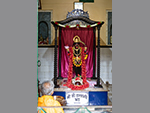
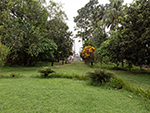
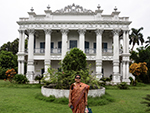
gobordangabengali : "গোবরডাঙ্গাঃ-গোবরডাঙ্গা উত্তর ২৪ পরগনা জেলার এক ঐতিহাসিক, সাংস্কৃতিক ও শিক্ষাগতভাবে সমৃদ্ধ পৌরশহর। এই শহর কলকাতা থেকে প্রায় ৫৮ কিলোমিটার দূরে শিয়ালদহ–বনগাঁ রেলপথের ওপর এবং ইছামতীর শাখানদী যমুনার তীরে অবস্থিত। ১৮৭০ সালে প্রতিষ্ঠিত এখানকার পৌরসভা পশ্চিমবঙ্গের অন্যতম প্রাচীন পৌরসভা হিসেবে পরিচিত। একসময় মুখোপাধ্যায় জমিদার পরিবারের অধীনে গড়ে ওঠা গোবরডাঙ্গা আজও তাদের ঐতিহ্য, স্থাপত্য ও সমাজসেবামূলক কর্মকাণ্ডের স্মৃতি বহন করে চলেছে। শহরের অন্যতম প্রধান আকর্ষণ ঐতিহাসিক গোবরডাঙ্গা রাজবাড়ি, যার বিশাল প্রবেশদ্বার, সুদৃশ্য ঠাকুরদালান, নাটমন্দির, প্রশস্ত অঙ্গন, কলামবেষ্টিত বারান্দা এবং ঔপনিবেশিক প্রভাবমণ্ডিত স্থাপত্য, অতীতের ঐশ্বর্যকে স্মরণ করিয়ে দেয়। রাজবাড়ি সংলগ্ন প্রসন্নময়ী কালীমন্দির, যেখানে দেবী প্রসন্নময়ী কালী ও সারিবদ্ধ বারোটা শিবমন্দির সমগ্র অঞ্চলের একটা প্রসিদ্ধ তীর্থস্থান। লোকপ্রচলিত বিশ্বাস অনুযায়ী, রাণী রাসমণি দক্ষিণেশ্বর কালীমন্দির নির্মাণের পূর্বে এই মন্দিরে এসে অনুপ্রাণিত হয়েছিলেন। গোবরডাঙ্গা শিক্ষার ক্ষেত্রেও সুপ্রসিদ্ধ। গোবরডাঙ্গা হিন্দু কলেজ, গোবরডাঙ্গা খাটুরা উচ্চ বিদ্যালয়সহ একাধিক প্রাচীন শিক্ষা প্রতিষ্ঠান, বহু বিদ্বান, শিক্ষক, প্রশাসক ও বিশিষ্ট ব্যক্তিত্বের জন্ম দিয়েছে। শহরের সাংস্কৃতিক জীবনও অত্যন্ত সমৃদ্ধ। রাজবাড়ির ঐতিহ্যবাহী দুর্গাপুজো, কালীপুজো, সরস্বতী পুজো, দোলযাত্রা, রথযাত্রা, কীর্তন, নাট্যোৎসব, সাহিত্যসভা ও সংগীতানুষ্ঠান সারা বছর জুড়ে এক প্রাণবন্ত পরিবেশ সৃষ্টি করে। গোবরডাঙ্গা স্টেশনের কাছাকাছি চণ্ডীতলা ঘাট সংলগ্ন এলাকায় জোড়া শিব মন্দির অবস্থিত। যমুনা নদীর তীরবর্তী কঙ্কনা বাওরের ধারে চণ্ডীতলায় অবস্থিত জোড়া শিব মন্দিরের প্রতিষ্ঠাতা ঈশ্বরচন্দ্র বিদ্যাসাগরের সহযোগী ও ভারতের প্রথম বিধবা বিবাহকারী শ্রীশচন্দ্র বিদ্যারত্ন। ১৮৬৮ সালে শ্রীশচন্দ্র বিদ্যারত্ন তাঁর মায়ের স্মৃতির উদ্দেশ্যে এই মন্দির ও তৎসংলগ্ন ঘাট নির্মাণ করেন। পশ্চিমবঙ্গ সরকারের হেরিটেজ কমিশন এই স্থাপত্যকে আনুষ্ঠানিকভাবে হেরিটেজ তকমা দিয়েছে। এই প্রসঙ্গে এই মন্দিরের ইতিহাসও বেশ চিত্তাকর্ষক।১৮৫৬ সালের সাত ডিসেম্বরের রাত। কলকাতার সুকিয়া স্ট্রিটের রাজকৃষ্ণ বন্দ্যোপাধ্যায়ের বাড়িতে তখন নিমন্ত্রিতদের ভিড়। প্রায় ৮০০ জনকে কার্ড দিয়ে নেমতন্ন করা হয়েছিল। রাস্তায় পুলিশের পাহারা চলছে। এমন সময় পালকি চেপে বিয়ে করতে এলেন মুর্শিদাবাদের জজ, সংস্কৃত কলেজ থেকে বিদ্যারত্ন উপাধি পাওয়া পণ্ডিত শ্রীশচন্দ্র বিদ্যারত্ন। বর্ধমানের পলাশডাঙার প্রয়াত ব্রহ্মানন্দ মুখোপাধ্যায়ের দশ বছরের বিধবা মেয়ে কালীমতি হলেন পাত্রী। কালীমতির প্রথম বিয়ে হয়েছিল চার বছর বয়সে। আর বিধবা হন ছ-বছর বয়সে। কালীপ্রসন্ন সিংহ, রমাপ্রসাদ রায়, নীলকমল মুখোপাধ্যায়, প্যারীচাঁদ মিত্র, রামগোপাল ঘোষ সহ আরও অনেকের উপস্থিতিতে নিজে দাঁড়িয়ে থেকে বিদ্যাসাগর কনের মা লক্ষ্মীদেবীকে দিয়ে কন্যা সম্প্রদান করান। সেই সঙ্গে এই দিনটা ঘিরে তৈরি হল এক ইতিহাস। বিধবা বিবাহ আইন পাশের পর বিদ্যাসাগর মহাশয় অনেক টাকা খরচ করে প্রথম বিধবা বিবাহের জমকালো অনুষ্ঠানের আয়োজন করেছিলেন। ভারতের ইতিহাসে স্বর্ণাক্ষরে লেখা রইল এই দিনটা। তবে বিধবা বিবাহ নিয়ে পরবর্তীকালে ঈশ্বরচন্দ্র বিদ্যাসাগরকে তুমুল সমালোচনার মুখে পড়তে হয়েছিল। পাশাপাশি উত্তর ২৪ পরগনা জেলার গোবরডাঙ্গার খাটুরার বাসিন্দা শ্রীশচন্দ্র বিদ্যারত্ন প্রথম বিধবা বিবাহ করে চক্ষুশূল হয়ে উঠেছিলেন তৎকালীন সমাজে। কিন্তু এই সমাজ সংস্কারককে বিশেষ মর্যাদা দিয়ে ব্রিটিশ সরকার তাঁর পদোন্নতি ঘটান ও বনগার ডেপুটি ম্যাজিস্টেট পদে নিয়োগ করেন। বিধবা বিবাহ করার পর শ্রীশচন্দ্র বিদ্যারত্নকে অনেক প্রতিকূলতার মধ্যে দিয়ে যেতে হয়েছিল। সমাজ সংস্কারক শ্রীশচন্দ্র বিদ্যারত্নকে শুধুমাত্র বিধবা বিবাহ করার জন্যে, গোবরডাঙ্গায় তার পৈত্রিক ভিটেতে আসতে বাধা দেন তৎকালীন ব্রাহ্মণ সমাজ। স্ত্রী কালীমতি দেবীর মৃত্যুর পর সমাজ ব্যবস্থার চাপে প্রায়শ্চিত্ত করে শ্রীশচন্দ্র বিদ্যারত্নকে আসতে হয় পৈত্রিক ভিটেতে। ১৮৭০ সালে গোবরডাঙ্গা পৌরসভা স্থাপিত হলে, প্রথম পৌরপিতা হয়ে তিনি গোবরডাঙ্গার উন্নয়নে এনেছিলেন আমূল পরিবর্তন। তিনি গোবরডাঙ্গা পৌরসভা স্থাপন, রেললাইন স্থাপন সহ পৌর এলাকায় রাস্তাঘাট সংস্কার করে এখানকার ভোল পাল্টে দেন। তিনি গোবরডাঙ্গার গর্ব অথচ শ্রীশচন্দ্র বিদ্যারত্নের স্মৃতি সেভাবে সংরক্ষণ করা হয়নি। এমন একজন সমাজ সংস্কারক তথা শিক্ষাবিদের বসত ভিটে আজ নিশ্চিহ্ন। হতে পারে সমাজ আজও ব্রাহ্মণত্বের শিকার।প্রাকৃতিক সৌন্দর্যের দিক থেকেও গোবরডাঙ্গা অনন্য। যমুনা নদীর শান্ত প্রবাহ, কঙ্কনা বাওড়ের মনোরম জলাভূমি, শীতকালে আগত পরিযায়ী পাখি, বিস্তীর্ণ সবুজ ক্ষেত-খামার এবং গ্রামীণ পরিবেশ শহরের সৌন্দর্য বহুগুণ বাড়িয়ে দিয়েছে। গোবরডাঙ্গা ও স্বরূপনগর এলাকা জুড়ে বিস্তৃত এই বাওর সবচেয়ে বড় বাওর। প্রায় ৬০০ বিঘে জমির উপর বিস্তৃত এই অশ্বক্ষুরাকৃতি হ্রদ একসময় পরিযায়ী পাখিদের জন্যে বিখ্যাত ছিল। বর্তমানে শুধুমাত্র শীতকালে এখানে পাখির আগমণ হয় কিন্তু পরিবেশ দূষণের জন্যে তা আগের থেকে অনেক কম। এখানে পাঁচপোতা গ্রামে অবস্থিত আর এক বাওরের নাম বেরির বাওর। এই বাওর তার প্রাকৃতিক সৌন্দর্যের জন্যে পরিচিত। হ্রদের তীরবর্তী মনোরম পরিবেশের কারণে এখানে বাওর বিতান নামে একটা জনপ্রিয় রিসোর্ট ও পর্যটনকেন্দ্র গড়ে উঠেছে। কৃষি, স্থানীয় বাজার, ক্ষুদ্র ব্যবসা, শিক্ষা ও সরকারি পরিষেবাকে কেন্দ্র করে এখানকার অর্থনীতি গড়ে উঠেছে। আর উন্নত রেল ও সড়ক যোগাযোগের ফলে এটা আশেপাশের বিস্তীর্ণ এলাকার এক গুরুত্বপূর্ণ বাণিজ্যিক ও প্রশাসনিক কেন্দ্র হিসেবে প্রতিষ্ঠিত হয়েছে। ইতিহাস, ধর্মীয় ঐতিহ্য, শিক্ষার প্রসার, প্রাকৃতিক সৌন্দর্য, লোকসংস্কৃতি এবং আধুনিক নাগরিক জীবনের এক অনন্য সমন্বয়ে, গোবরডাঙ্গা আজও বাংলার এক গৌরবময় ঐতিহ্যের ধারক ও বাহক, যা অতীতের মহিমাকে ধারণ করে ভবিষ্যতের দিকে সমান দৃঢ়তায় এগিয়ে চলেছে। "+
"Read More..."+
"
"+
" 🔊 "+
""+
" 🎞️"+
"স্লাইডশোর জন্যে নীচের ছবিতে ক্লিক করুন ⇩"+
"
"+
"পেজ মেনুতে যান ⇧",
gobordangaenglish : "Gobordanga:-Gobardanga is a municipal town in the North 24 Parganas district, rich in history, culture, and education. Located approximately 58 kilometres from Kolkata, the town lies along the Sealdah-Bongaon railway line and on the banks of the Jamuna, a tributary of the Ichamati River. Established in 1870, its municipality is known as one of the oldest in West Bengal. Developed under the patronage of the Mukhopadhyay Zamindar family, Gobardanga still preserves the legacy of their traditions, architecture, and philanthropic activities. A major attraction is the historic Gobardanga Rajbari, its grand entrance, elegant Thakur-dalan, Natmandir, spacious courtyards, colonnaded verandas, and colonial-influenced architecture, evoke the opulence of the past. Adjacent to the palace stands the Prasannamoyee Kali Temple, featuring the deity Prasannamoyee Kali and a row of twelve Shiva temples, which serves as a renowned pilgrimage site for the region. Popular belief holds that Rani Rashmoni drew inspiration from this temple before constructing the Dakshineswar Kali Temple. Gobardanga is also renowned for its educational excellence. Institutions such as Gobardanga Hindu College and Gobardanga Khatura High School have nurtured numerous scholars, teachers, administrators, and eminent personalities. Cultural life of the town is equally vibrant, with events like the traditional Durga Puja, Kali Puja, Saraswati Puja, Dol Yatra, Rath Yatra, Kirtan performances, theatre festivals, literary gatherings, and musical soirees, creating a lively atmosphere throughout the year. Near Gobardanga station, in the area adjacent to Chanditala Ghat, stand the twin Shiva temples. Situated at Chanditala, by the banks of the Kankana Baor along the Jamuna River, these temples were founded by Sri Sha Chandra Vidyaratna, an associate of Ishwar Chandra Vidyasagar, and the first man in India to marry a widow. Sri Sha Chandra Vidyaratna built the temple and the adjoining ghat in 1868 in memory of his mother. The West Bengal Heritage Commission has officially designated this structure as a heritage site. The history behind it is equally fascinating.The night of December 7, 1856. The home of Rajkrishna Bandyopadhyay on Sukia Street in Kolkata was teeming with guests. invitations had been sent to approximately 800 people, and police patrols were stationed on the street outside. It was amidst this scene that the groom arrived in a palanquin, Sri Sha Chandra Vidyaratna, a judge from Murshidabad and a scholar who had earned the title Vidyaratna from Sanskrit College. The bride was Kalimati, the ten-year-old widow, the daughter of the late Brahmananda Mukhopadhyay of Palashdanga, Bardhaman. she had been married at the age of four and widowed by six. In the presence of luminaries such as Kaliprasanna Singha, Ramaprasad Roy, Nilkamal Mukhopadhyay, Peary Chand Mitra, and Ramgopal Ghosh, Vidyasagar personally oversaw the proceedings, guiding the mother of the bride, Lakshmidevi, through the ritual of Kanyadan. This day marked a historic milestone. Following the enactment of the Widow Remarriage Act, Vidyasagar had organized this first widow remarriage with great grandeur and at considerable personal expense, an event etched in golden letters in the history of India. However, Ishwar Chandra Vidyasagar later faced fierce criticism for championing widow remarriage. Similarly, Sri Sha Chandra Vidyaratna, a resident of Khatura in Gobardanga, North 24 Parganas, became a target of societal ire for entering into this marriage. Yet, the British government honoured this social reformer by promoting him to the position of Deputy Magistrate of Bangaon. Sri Sha Chandra Vidyaratna faced numerous adversities following the marriage. The local Brahmin community even barred him from visiting his ancestral home in Gobardanga simply because he had married a widow. After the death of his wife, Kalimati Devi, he was compelled by societal pressure to perform a ritual of atonement before he could return to his ancestral home. Upon the establishment of the Gobardanga Municipality in 1870, he became its first Chairman and brought about radical changes in the development of the town. He transformed the area by establishing the municipality, laying railway lines, and renovating roads. He is the pride of Gobardanga, yet the memory of Sri Sha Chandra Vidyaratna has not been adequately preserved. The homestead of such a social reformer and educationist has vanished today. Perhaps a reflection of a society still held captive by the rigidities of Brahminism.Gobardanga is also unique in terms of its natural beauty. The tranquil flow of the Jamuna River, the picturesque wetlands of Kankana Baor, the arrival of migratory birds in winter, vast green farmlands, and the rural ambiance, have greatly enhanced the charm of the town. Spanning the Gobardanga and Swarupnagar areas, this Baor is the largest of its kind. Covering approximately 600 bighas of land, this horseshoe-shaped lake was once renowned for its migratory birds. While birds still visit during winter, their numbers have dwindled significantly due to environmental pollution. Another Baor, known as Berir Baor, is located in the nearby village of Panchpota and is celebrated for its natural beauty. Thanks to the delightful environment along its banks, a popular resort and tourist hub named Baor Bitan has been established here. The local economy is driven by agriculture, local markets, small-scale businesses, education, and government services. Furthermore, excellent rail and road connectivity has established the town as a vital commercial and administrative centre for the surrounding region. Through a unique blend of history, religious heritage, educational advancement, natural beauty, folk culture, and modern urban life, Gobardanga continues to uphold a glorious legacy, cherishing the grandeur of the past while marching towards the future with unwavering resolve. "+
"Read More..."+
"
"+
" 🔊⇾ "+
""+
" 🎞️"+
"Click any Picture for Slide Show ⇩"+
"
 "+
"
"+
" "+
"
"+
" "+
"
"+
" "+
"
"+
" "+
"
"+
" "+
"
"+
" "+
"
"+
" "+
"
"+
" "+
"
"+
" "+
"
"+
" "+
"
"+
" "+
"
"+
" "+
"
"+
" "+
"
"+
" "+
"
"+
" "+
"",
chandraketugarhbengali : "চন্দ্রকেতুগড়–সিন্ধু সভ্যতার সমসাময়িক একটা ধ্বংসপ্রাপ্ত সভ্যতা-পুরানো আখ্যান যখন কাউকে ভীষণভাবে আকর্ষণ করে, নিশা-স্বপ্ন যখন চলমান জীবনের মধ্যে আস্তে আস্তে সৃষ্টি করে অস্তিত্বহীন, কিন্তু অত্যন্ত অন্তরঙ্গ নতুন এক অনুভব, যখন পুরানো অতীত কাউকে ইশারা করে তার স্বাদ নেবার জন্যে, তখন সে সুযোগ পাওয়া যায় কলকাতা থেকে ৫০ কি.মি. দূরে অবস্থিত হাড়োয়ার কাছে চন্দ্রকেতুগড়ের ধ্বংসস্তূপ থেকে। পুরানো ইতিহাস, বিশেষত খননকার্যের ফলে যে সমস্ত ঐতিহাসিক সভ্যতা খুঁজে পাওয়া যায়, তা আমাকে বেশ আকর্ষণ করে, তা সে আমার জ্ঞান-গম্মি যাই থাক না কেন। আমি কেমন যেন রূপকথার গল্পের মতো, কোন এক অলীক কল্পনায় হারিয়ে যাই। ব্রিটিশ প্রত্নতাত্ত্বিক অ্যালবার্ট হেনরি লংহার্স্ট, ১৯০৭ সালে বেড়াচাঁপায় একটা ঢিপির ওপর খননকার্য চালান, ও সেখান থেকে বেরিয়ে আসে, চতুর্থ থেকে দ্বাদশ শতাব্দীর গুপ্ত রাজত্বের অত্যন্ত পুরানো এক সভ্যতার নিদর্শন। চন্দ্রকেতুগড় একটা তিন স্কো. কি.মি. এলাকা, যেখানে রয়েছে কয়েকটা ছোট ছোট গ্রাম যেমন দেউলিয়া, হাদিপুর, ঝিকরা, সানপুকুর, বেড়াচাঁপা, সিংহেরাতি ইত্যাদি। এলাকাটা, ভাগীরথী নদীর একটা ধারা, বিদ্যাধরী নদীর খুব কাছেই অবস্থিত। একসময় চন্দ্রকেতুগড় একটা বর্ধিষ্ণু জনপদ ছিল। খননকার্যের ফলে, এখান থেকে বিভিন্ন রকমের টেরাকোটার কাজ সমৃদ্ধ হস্তনির্মিত জিনিসপত্র পাওয়া যায়, যার মধ্যে মানুষের প্রতিকৃতি, খেলনা, শিলমোহর, পুঁতি, পাথরের শব্দ করার জিনিস, শিশু সমেত মহিলার প্রতিকৃতি, জন্তু-জানোয়ারের প্রতিকৃতি, স্থানীয় আচার ও বুদ্ধের জাতকের প্রতিকৃতি ইত্যাদি উল্লেখযোগ্য। তবে পরিচর্যার অভাবে, তার বেশির ভাগই, কিছু মানুষের ব্যক্তিগত সম্পত্তি হয়ে যায়। কেউ কেউ তা সংরক্ষণ করেন ও কেউ কেউ তা বিভিন্ন ভাবে বিক্রি করে দেন। যারা সংরক্ষণ করেন, তাঁদের মধ্যে দিলীপ কুমার মাইতি ও আসাদ উজ জাম্মান উল্লেখযোগ্য। এনাদের হাত থেকে এইসব প্রত্নতাত্ত্বিক সংগ্রহ নিয়ে, সরকার একটা সংগ্রহশালা তৈরি করেছেন। স্থানীয় লোককথা অনুযায়ী, চন্দ্রকেতুগড় নামটা এসেছে, পুরাণে উল্লিখিত মধ্যযুগের হিন্দু রাজা চন্দ্রকেতু থেকে, যার সাথে সৌদি আরবের জেড্ডা শহরের এক মুসলিম ধর্মপ্রচারক, পীর গোরাচাঁদের এক ভয়ঙ্কর যুদ্ধ হয়েছিল। কিন্তু তার কোনও প্রমাণ নেই। তবে খড়গপুর আই.আই.টি-র গবেষণা বিভাগের সাম্প্রতিক তথ্য অনুযায়ী, গ্রীক পর্যটক মেগাস্থিনিস এখানকার যে রাজার নাম করেছেন, তা মৌর্য সাম্রাজ্যের চন্দ্রগুপ্ত নয় কিন্তু চন্দ্রকেতু, যার ফোর্ট রয়েছে চন্দ্রকেতুগড়ে। আলেকজান্ডারের মৃত্যুর পর, মেগাস্থিনিস, সেলুকাসের দূত হিসাবে ভারতে আসেন খৃষ্টপূর্ব তৃতীয় শতাব্দীতে। তিনি তাঁর ইণ্ডিকা গ্রন্থে এটা উল্লেখ করেন যে, চন্দ্রকেতু গঙ্গাঋদ্ধি রাজ্যের একজন অত্যন্ত ক্ষমতাশালী রাজা ছিলেন ও তাঁর রাজ্যের বিস্তৃতি ছিল গাঙ্গেয় ত্রিভুজ ও পার্শ্ববর্তী অঞ্চলে, বা এককথায় অঙ্গ, বঙ্গ কলিঙ্গে। গ্রিক ঐতিহাসিকদের মতে, আলেকজান্ডার তার ভারতবর্ষ অভিযান থেকে সরে এসেছিলেন, কারণ তাহলে তাকে গঙ্গাঋদ্ধি আক্রমণ করতে হতো। আলেকজান্ডার আশঙ্কা করছিলেন, গঙ্গাঋদ্ধি সাম্রাজ্য আক্রমণ করার পরিণতি হবে ভয়াবহ। এত কিছু সত্যেও, পুরো খননকার্য, কোনও এক অজ্ঞাত কারণে আজ অব্দি করা হয়নি। নোবেল জয়ী অর্থনীতিবিদ ডঃ অমর্ত্য সেন বলেন, পুরো খননকার্য করা হলে এটা একটা প্রাচীন সভ্যতাকে নির্দেশ করবে। হার্ভার্ড বিশ্ববিদ্যালয়ের অধ্যাপক ডঃ সুগত বসু বলেন, পুরো খননকার্য হলে হয়ত দেখা যেত, চন্দ্রকেতুগড় ময়ূরা রাজত্বেরও আগের কোনও সভ্যতা, ও বাংলার ইতিহাস সেক্ষেত্রে অন্যভাবে লেখা হতো। "+
"Read More..."+
"
"+
"",
chandraketugarhbengali : "চন্দ্রকেতুগড়–সিন্ধু সভ্যতার সমসাময়িক একটা ধ্বংসপ্রাপ্ত সভ্যতা-পুরানো আখ্যান যখন কাউকে ভীষণভাবে আকর্ষণ করে, নিশা-স্বপ্ন যখন চলমান জীবনের মধ্যে আস্তে আস্তে সৃষ্টি করে অস্তিত্বহীন, কিন্তু অত্যন্ত অন্তরঙ্গ নতুন এক অনুভব, যখন পুরানো অতীত কাউকে ইশারা করে তার স্বাদ নেবার জন্যে, তখন সে সুযোগ পাওয়া যায় কলকাতা থেকে ৫০ কি.মি. দূরে অবস্থিত হাড়োয়ার কাছে চন্দ্রকেতুগড়ের ধ্বংসস্তূপ থেকে। পুরানো ইতিহাস, বিশেষত খননকার্যের ফলে যে সমস্ত ঐতিহাসিক সভ্যতা খুঁজে পাওয়া যায়, তা আমাকে বেশ আকর্ষণ করে, তা সে আমার জ্ঞান-গম্মি যাই থাক না কেন। আমি কেমন যেন রূপকথার গল্পের মতো, কোন এক অলীক কল্পনায় হারিয়ে যাই। ব্রিটিশ প্রত্নতাত্ত্বিক অ্যালবার্ট হেনরি লংহার্স্ট, ১৯০৭ সালে বেড়াচাঁপায় একটা ঢিপির ওপর খননকার্য চালান, ও সেখান থেকে বেরিয়ে আসে, চতুর্থ থেকে দ্বাদশ শতাব্দীর গুপ্ত রাজত্বের অত্যন্ত পুরানো এক সভ্যতার নিদর্শন। চন্দ্রকেতুগড় একটা তিন স্কো. কি.মি. এলাকা, যেখানে রয়েছে কয়েকটা ছোট ছোট গ্রাম যেমন দেউলিয়া, হাদিপুর, ঝিকরা, সানপুকুর, বেড়াচাঁপা, সিংহেরাতি ইত্যাদি। এলাকাটা, ভাগীরথী নদীর একটা ধারা, বিদ্যাধরী নদীর খুব কাছেই অবস্থিত। একসময় চন্দ্রকেতুগড় একটা বর্ধিষ্ণু জনপদ ছিল। খননকার্যের ফলে, এখান থেকে বিভিন্ন রকমের টেরাকোটার কাজ সমৃদ্ধ হস্তনির্মিত জিনিসপত্র পাওয়া যায়, যার মধ্যে মানুষের প্রতিকৃতি, খেলনা, শিলমোহর, পুঁতি, পাথরের শব্দ করার জিনিস, শিশু সমেত মহিলার প্রতিকৃতি, জন্তু-জানোয়ারের প্রতিকৃতি, স্থানীয় আচার ও বুদ্ধের জাতকের প্রতিকৃতি ইত্যাদি উল্লেখযোগ্য। তবে পরিচর্যার অভাবে, তার বেশির ভাগই, কিছু মানুষের ব্যক্তিগত সম্পত্তি হয়ে যায়। কেউ কেউ তা সংরক্ষণ করেন ও কেউ কেউ তা বিভিন্ন ভাবে বিক্রি করে দেন। যারা সংরক্ষণ করেন, তাঁদের মধ্যে দিলীপ কুমার মাইতি ও আসাদ উজ জাম্মান উল্লেখযোগ্য। এনাদের হাত থেকে এইসব প্রত্নতাত্ত্বিক সংগ্রহ নিয়ে, সরকার একটা সংগ্রহশালা তৈরি করেছেন। স্থানীয় লোককথা অনুযায়ী, চন্দ্রকেতুগড় নামটা এসেছে, পুরাণে উল্লিখিত মধ্যযুগের হিন্দু রাজা চন্দ্রকেতু থেকে, যার সাথে সৌদি আরবের জেড্ডা শহরের এক মুসলিম ধর্মপ্রচারক, পীর গোরাচাঁদের এক ভয়ঙ্কর যুদ্ধ হয়েছিল। কিন্তু তার কোনও প্রমাণ নেই। তবে খড়গপুর আই.আই.টি-র গবেষণা বিভাগের সাম্প্রতিক তথ্য অনুযায়ী, গ্রীক পর্যটক মেগাস্থিনিস এখানকার যে রাজার নাম করেছেন, তা মৌর্য সাম্রাজ্যের চন্দ্রগুপ্ত নয় কিন্তু চন্দ্রকেতু, যার ফোর্ট রয়েছে চন্দ্রকেতুগড়ে। আলেকজান্ডারের মৃত্যুর পর, মেগাস্থিনিস, সেলুকাসের দূত হিসাবে ভারতে আসেন খৃষ্টপূর্ব তৃতীয় শতাব্দীতে। তিনি তাঁর ইণ্ডিকা গ্রন্থে এটা উল্লেখ করেন যে, চন্দ্রকেতু গঙ্গাঋদ্ধি রাজ্যের একজন অত্যন্ত ক্ষমতাশালী রাজা ছিলেন ও তাঁর রাজ্যের বিস্তৃতি ছিল গাঙ্গেয় ত্রিভুজ ও পার্শ্ববর্তী অঞ্চলে, বা এককথায় অঙ্গ, বঙ্গ কলিঙ্গে। গ্রিক ঐতিহাসিকদের মতে, আলেকজান্ডার তার ভারতবর্ষ অভিযান থেকে সরে এসেছিলেন, কারণ তাহলে তাকে গঙ্গাঋদ্ধি আক্রমণ করতে হতো। আলেকজান্ডার আশঙ্কা করছিলেন, গঙ্গাঋদ্ধি সাম্রাজ্য আক্রমণ করার পরিণতি হবে ভয়াবহ। এত কিছু সত্যেও, পুরো খননকার্য, কোনও এক অজ্ঞাত কারণে আজ অব্দি করা হয়নি। নোবেল জয়ী অর্থনীতিবিদ ডঃ অমর্ত্য সেন বলেন, পুরো খননকার্য করা হলে এটা একটা প্রাচীন সভ্যতাকে নির্দেশ করবে। হার্ভার্ড বিশ্ববিদ্যালয়ের অধ্যাপক ডঃ সুগত বসু বলেন, পুরো খননকার্য হলে হয়ত দেখা যেত, চন্দ্রকেতুগড় ময়ূরা রাজত্বেরও আগের কোনও সভ্যতা, ও বাংলার ইতিহাস সেক্ষেত্রে অন্যভাবে লেখা হতো। "+
"Read More..."+
" "+
"
"+
" "+
"
"+
" "+
"
"+
" "+
"
"+
" "+
"
"+
" "+
"
"+
" "+
"
"+
" "+
"",
gobordangabengali : "গোবরডাঙ্গাঃ-গোবরডাঙ্গা উত্তর ২৪ পরগনা জেলার এক ঐতিহাসিক, সাংস্কৃতিক ও শিক্ষাগতভাবে সমৃদ্ধ পৌরশহর। এই শহর কলকাতা থেকে প্রায় ৫৮ কিলোমিটার দূরে শিয়ালদহ–বনগাঁ রেলপথের ওপর এবং ইছামতীর শাখানদী যমুনার তীরে অবস্থিত। ১৮৭০ সালে প্রতিষ্ঠিত এখানকার পৌরসভা পশ্চিমবঙ্গের অন্যতম প্রাচীন পৌরসভা হিসেবে পরিচিত। একসময় মুখোপাধ্যায় জমিদার পরিবারের অধীনে গড়ে ওঠা গোবরডাঙ্গা আজও তাদের ঐতিহ্য, স্থাপত্য ও সমাজসেবামূলক কর্মকাণ্ডের স্মৃতি বহন করে চলেছে। শহরের অন্যতম প্রধান আকর্ষণ ঐতিহাসিক গোবরডাঙ্গা রাজবাড়ি, যার বিশাল প্রবেশদ্বার, সুদৃশ্য ঠাকুরদালান, নাটমন্দির, প্রশস্ত অঙ্গন, কলামবেষ্টিত বারান্দা এবং ঔপনিবেশিক প্রভাবমণ্ডিত স্থাপত্য, অতীতের ঐশ্বর্যকে স্মরণ করিয়ে দেয়। রাজবাড়ি সংলগ্ন প্রসন্নময়ী কালীমন্দির, যেখানে দেবী প্রসন্নময়ী কালী ও সারিবদ্ধ বারোটা শিবমন্দির সমগ্র অঞ্চলের একটা প্রসিদ্ধ তীর্থস্থান। লোকপ্রচলিত বিশ্বাস অনুযায়ী, রাণী রাসমণি দক্ষিণেশ্বর কালীমন্দির নির্মাণের পূর্বে এই মন্দিরে এসে অনুপ্রাণিত হয়েছিলেন। গোবরডাঙ্গা শিক্ষার ক্ষেত্রেও সুপ্রসিদ্ধ। গোবরডাঙ্গা হিন্দু কলেজ, গোবরডাঙ্গা খাটুরা উচ্চ বিদ্যালয়সহ একাধিক প্রাচীন শিক্ষা প্রতিষ্ঠান, বহু বিদ্বান, শিক্ষক, প্রশাসক ও বিশিষ্ট ব্যক্তিত্বের জন্ম দিয়েছে। শহরের সাংস্কৃতিক জীবনও অত্যন্ত সমৃদ্ধ। রাজবাড়ির ঐতিহ্যবাহী দুর্গাপুজো, কালীপুজো, সরস্বতী পুজো, দোলযাত্রা, রথযাত্রা, কীর্তন, নাট্যোৎসব, সাহিত্যসভা ও সংগীতানুষ্ঠান সারা বছর জুড়ে এক প্রাণবন্ত পরিবেশ সৃষ্টি করে। গোবরডাঙ্গা স্টেশনের কাছাকাছি চণ্ডীতলা ঘাট সংলগ্ন এলাকায় জোড়া শিব মন্দির অবস্থিত। যমুনা নদীর তীরবর্তী কঙ্কনা বাওরের ধারে চণ্ডীতলায় অবস্থিত জোড়া শিব মন্দিরের প্রতিষ্ঠাতা ঈশ্বরচন্দ্র বিদ্যাসাগরের সহযোগী ও ভারতের প্রথম বিধবা বিবাহকারী শ্রীশচন্দ্র বিদ্যারত্ন। ১৮৬৮ সালে শ্রীশচন্দ্র বিদ্যারত্ন তাঁর মায়ের স্মৃতির উদ্দেশ্যে এই মন্দির ও তৎসংলগ্ন ঘাট নির্মাণ করেন। পশ্চিমবঙ্গ সরকারের হেরিটেজ কমিশন এই স্থাপত্যকে আনুষ্ঠানিকভাবে হেরিটেজ তকমা দিয়েছে। এই প্রসঙ্গে এই মন্দিরের ইতিহাসও বেশ চিত্তাকর্ষক।১৮৫৬ সালের সাত ডিসেম্বরের রাত। কলকাতার সুকিয়া স্ট্রিটের রাজকৃষ্ণ বন্দ্যোপাধ্যায়ের বাড়িতে তখন নিমন্ত্রিতদের ভিড়। প্রায় ৮০০ জনকে কার্ড দিয়ে নেমতন্ন করা হয়েছিল। রাস্তায় পুলিশের পাহারা চলছে। এমন সময় পালকি চেপে বিয়ে করতে এলেন মুর্শিদাবাদের জজ, সংস্কৃত কলেজ থেকে বিদ্যারত্ন উপাধি পাওয়া পণ্ডিত শ্রীশচন্দ্র বিদ্যারত্ন। বর্ধমানের পলাশডাঙার প্রয়াত ব্রহ্মানন্দ মুখোপাধ্যায়ের দশ বছরের বিধবা মেয়ে কালীমতি হলেন পাত্রী। কালীমতির প্রথম বিয়ে হয়েছিল চার বছর বয়সে। আর বিধবা হন ছ-বছর বয়সে। কালীপ্রসন্ন সিংহ, রমাপ্রসাদ রায়, নীলকমল মুখোপাধ্যায়, প্যারীচাঁদ মিত্র, রামগোপাল ঘোষ সহ আরও অনেকের উপস্থিতিতে নিজে দাঁড়িয়ে থেকে বিদ্যাসাগর কনের মা লক্ষ্মীদেবীকে দিয়ে কন্যা সম্প্রদান করান। সেই সঙ্গে এই দিনটা ঘিরে তৈরি হল এক ইতিহাস। বিধবা বিবাহ আইন পাশের পর বিদ্যাসাগর মহাশয় অনেক টাকা খরচ করে প্রথম বিধবা বিবাহের জমকালো অনুষ্ঠানের আয়োজন করেছিলেন। ভারতের ইতিহাসে স্বর্ণাক্ষরে লেখা রইল এই দিনটা। তবে বিধবা বিবাহ নিয়ে পরবর্তীকালে ঈশ্বরচন্দ্র বিদ্যাসাগরকে তুমুল সমালোচনার মুখে পড়তে হয়েছিল। পাশাপাশি উত্তর ২৪ পরগনা জেলার গোবরডাঙ্গার খাটুরার বাসিন্দা শ্রীশচন্দ্র বিদ্যারত্ন প্রথম বিধবা বিবাহ করে চক্ষুশূল হয়ে উঠেছিলেন তৎকালীন সমাজে। কিন্তু এই সমাজ সংস্কারককে বিশেষ মর্যাদা দিয়ে ব্রিটিশ সরকার তাঁর পদোন্নতি ঘটান ও বনগার ডেপুটি ম্যাজিস্টেট পদে নিয়োগ করেন। বিধবা বিবাহ করার পর শ্রীশচন্দ্র বিদ্যারত্নকে অনেক প্রতিকূলতার মধ্যে দিয়ে যেতে হয়েছিল। সমাজ সংস্কারক শ্রীশচন্দ্র বিদ্যারত্নকে শুধুমাত্র বিধবা বিবাহ করার জন্যে, গোবরডাঙ্গায় তার পৈত্রিক ভিটেতে আসতে বাধা দেন তৎকালীন ব্রাহ্মণ সমাজ। স্ত্রী কালীমতি দেবীর মৃত্যুর পর সমাজ ব্যবস্থার চাপে প্রায়শ্চিত্ত করে শ্রীশচন্দ্র বিদ্যারত্নকে আসতে হয় পৈত্রিক ভিটেতে। ১৮৭০ সালে গোবরডাঙ্গা পৌরসভা স্থাপিত হলে, প্রথম পৌরপিতা হয়ে তিনি গোবরডাঙ্গার উন্নয়নে এনেছিলেন আমূল পরিবর্তন। তিনি গোবরডাঙ্গা পৌরসভা স্থাপন, রেললাইন স্থাপন সহ পৌর এলাকায় রাস্তাঘাট সংস্কার করে এখানকার ভোল পাল্টে দেন। তিনি গোবরডাঙ্গার গর্ব অথচ শ্রীশচন্দ্র বিদ্যারত্নের স্মৃতি সেভাবে সংরক্ষণ করা হয়নি। এমন একজন সমাজ সংস্কারক তথা শিক্ষাবিদের বসত ভিটে আজ নিশ্চিহ্ন। হতে পারে সমাজ আজও ব্রাহ্মণত্বের শিকার।প্রাকৃতিক সৌন্দর্যের দিক থেকেও গোবরডাঙ্গা অনন্য। যমুনা নদীর শান্ত প্রবাহ, কঙ্কনা বাওড়ের মনোরম জলাভূমি, শীতকালে আগত পরিযায়ী পাখি, বিস্তীর্ণ সবুজ ক্ষেত-খামার এবং গ্রামীণ পরিবেশ শহরের সৌন্দর্য বহুগুণ বাড়িয়ে দিয়েছে। গোবরডাঙ্গা ও স্বরূপনগর এলাকা জুড়ে বিস্তৃত এই বাওর সবচেয়ে বড় বাওর। প্রায় ৬০০ বিঘে জমির উপর বিস্তৃত এই অশ্বক্ষুরাকৃতি হ্রদ একসময় পরিযায়ী পাখিদের জন্যে বিখ্যাত ছিল। বর্তমানে শুধুমাত্র শীতকালে এখানে পাখির আগমণ হয় কিন্তু পরিবেশ দূষণের জন্যে তা আগের থেকে অনেক কম। এখানে পাঁচপোতা গ্রামে অবস্থিত আর এক বাওরের নাম বেরির বাওর। এই বাওর তার প্রাকৃতিক সৌন্দর্যের জন্যে পরিচিত। হ্রদের তীরবর্তী মনোরম পরিবেশের কারণে এখানে বাওর বিতান নামে একটা জনপ্রিয় রিসোর্ট ও পর্যটনকেন্দ্র গড়ে উঠেছে। কৃষি, স্থানীয় বাজার, ক্ষুদ্র ব্যবসা, শিক্ষা ও সরকারি পরিষেবাকে কেন্দ্র করে এখানকার অর্থনীতি গড়ে উঠেছে। আর উন্নত রেল ও সড়ক যোগাযোগের ফলে এটা আশেপাশের বিস্তীর্ণ এলাকার এক গুরুত্বপূর্ণ বাণিজ্যিক ও প্রশাসনিক কেন্দ্র হিসেবে প্রতিষ্ঠিত হয়েছে। ইতিহাস, ধর্মীয় ঐতিহ্য, শিক্ষার প্রসার, প্রাকৃতিক সৌন্দর্য, লোকসংস্কৃতি এবং আধুনিক নাগরিক জীবনের এক অনন্য সমন্বয়ে, গোবরডাঙ্গা আজও বাংলার এক গৌরবময় ঐতিহ্যের ধারক ও বাহক, যা অতীতের মহিমাকে ধারণ করে ভবিষ্যতের দিকে সমান দৃঢ়তায় এগিয়ে চলেছে। "+
"Read More..."+
"
"+
"",
gobordangabengali : "গোবরডাঙ্গাঃ-গোবরডাঙ্গা উত্তর ২৪ পরগনা জেলার এক ঐতিহাসিক, সাংস্কৃতিক ও শিক্ষাগতভাবে সমৃদ্ধ পৌরশহর। এই শহর কলকাতা থেকে প্রায় ৫৮ কিলোমিটার দূরে শিয়ালদহ–বনগাঁ রেলপথের ওপর এবং ইছামতীর শাখানদী যমুনার তীরে অবস্থিত। ১৮৭০ সালে প্রতিষ্ঠিত এখানকার পৌরসভা পশ্চিমবঙ্গের অন্যতম প্রাচীন পৌরসভা হিসেবে পরিচিত। একসময় মুখোপাধ্যায় জমিদার পরিবারের অধীনে গড়ে ওঠা গোবরডাঙ্গা আজও তাদের ঐতিহ্য, স্থাপত্য ও সমাজসেবামূলক কর্মকাণ্ডের স্মৃতি বহন করে চলেছে। শহরের অন্যতম প্রধান আকর্ষণ ঐতিহাসিক গোবরডাঙ্গা রাজবাড়ি, যার বিশাল প্রবেশদ্বার, সুদৃশ্য ঠাকুরদালান, নাটমন্দির, প্রশস্ত অঙ্গন, কলামবেষ্টিত বারান্দা এবং ঔপনিবেশিক প্রভাবমণ্ডিত স্থাপত্য, অতীতের ঐশ্বর্যকে স্মরণ করিয়ে দেয়। রাজবাড়ি সংলগ্ন প্রসন্নময়ী কালীমন্দির, যেখানে দেবী প্রসন্নময়ী কালী ও সারিবদ্ধ বারোটা শিবমন্দির সমগ্র অঞ্চলের একটা প্রসিদ্ধ তীর্থস্থান। লোকপ্রচলিত বিশ্বাস অনুযায়ী, রাণী রাসমণি দক্ষিণেশ্বর কালীমন্দির নির্মাণের পূর্বে এই মন্দিরে এসে অনুপ্রাণিত হয়েছিলেন। গোবরডাঙ্গা শিক্ষার ক্ষেত্রেও সুপ্রসিদ্ধ। গোবরডাঙ্গা হিন্দু কলেজ, গোবরডাঙ্গা খাটুরা উচ্চ বিদ্যালয়সহ একাধিক প্রাচীন শিক্ষা প্রতিষ্ঠান, বহু বিদ্বান, শিক্ষক, প্রশাসক ও বিশিষ্ট ব্যক্তিত্বের জন্ম দিয়েছে। শহরের সাংস্কৃতিক জীবনও অত্যন্ত সমৃদ্ধ। রাজবাড়ির ঐতিহ্যবাহী দুর্গাপুজো, কালীপুজো, সরস্বতী পুজো, দোলযাত্রা, রথযাত্রা, কীর্তন, নাট্যোৎসব, সাহিত্যসভা ও সংগীতানুষ্ঠান সারা বছর জুড়ে এক প্রাণবন্ত পরিবেশ সৃষ্টি করে। গোবরডাঙ্গা স্টেশনের কাছাকাছি চণ্ডীতলা ঘাট সংলগ্ন এলাকায় জোড়া শিব মন্দির অবস্থিত। যমুনা নদীর তীরবর্তী কঙ্কনা বাওরের ধারে চণ্ডীতলায় অবস্থিত জোড়া শিব মন্দিরের প্রতিষ্ঠাতা ঈশ্বরচন্দ্র বিদ্যাসাগরের সহযোগী ও ভারতের প্রথম বিধবা বিবাহকারী শ্রীশচন্দ্র বিদ্যারত্ন। ১৮৬৮ সালে শ্রীশচন্দ্র বিদ্যারত্ন তাঁর মায়ের স্মৃতির উদ্দেশ্যে এই মন্দির ও তৎসংলগ্ন ঘাট নির্মাণ করেন। পশ্চিমবঙ্গ সরকারের হেরিটেজ কমিশন এই স্থাপত্যকে আনুষ্ঠানিকভাবে হেরিটেজ তকমা দিয়েছে। এই প্রসঙ্গে এই মন্দিরের ইতিহাসও বেশ চিত্তাকর্ষক।১৮৫৬ সালের সাত ডিসেম্বরের রাত। কলকাতার সুকিয়া স্ট্রিটের রাজকৃষ্ণ বন্দ্যোপাধ্যায়ের বাড়িতে তখন নিমন্ত্রিতদের ভিড়। প্রায় ৮০০ জনকে কার্ড দিয়ে নেমতন্ন করা হয়েছিল। রাস্তায় পুলিশের পাহারা চলছে। এমন সময় পালকি চেপে বিয়ে করতে এলেন মুর্শিদাবাদের জজ, সংস্কৃত কলেজ থেকে বিদ্যারত্ন উপাধি পাওয়া পণ্ডিত শ্রীশচন্দ্র বিদ্যারত্ন। বর্ধমানের পলাশডাঙার প্রয়াত ব্রহ্মানন্দ মুখোপাধ্যায়ের দশ বছরের বিধবা মেয়ে কালীমতি হলেন পাত্রী। কালীমতির প্রথম বিয়ে হয়েছিল চার বছর বয়সে। আর বিধবা হন ছ-বছর বয়সে। কালীপ্রসন্ন সিংহ, রমাপ্রসাদ রায়, নীলকমল মুখোপাধ্যায়, প্যারীচাঁদ মিত্র, রামগোপাল ঘোষ সহ আরও অনেকের উপস্থিতিতে নিজে দাঁড়িয়ে থেকে বিদ্যাসাগর কনের মা লক্ষ্মীদেবীকে দিয়ে কন্যা সম্প্রদান করান। সেই সঙ্গে এই দিনটা ঘিরে তৈরি হল এক ইতিহাস। বিধবা বিবাহ আইন পাশের পর বিদ্যাসাগর মহাশয় অনেক টাকা খরচ করে প্রথম বিধবা বিবাহের জমকালো অনুষ্ঠানের আয়োজন করেছিলেন। ভারতের ইতিহাসে স্বর্ণাক্ষরে লেখা রইল এই দিনটা। তবে বিধবা বিবাহ নিয়ে পরবর্তীকালে ঈশ্বরচন্দ্র বিদ্যাসাগরকে তুমুল সমালোচনার মুখে পড়তে হয়েছিল। পাশাপাশি উত্তর ২৪ পরগনা জেলার গোবরডাঙ্গার খাটুরার বাসিন্দা শ্রীশচন্দ্র বিদ্যারত্ন প্রথম বিধবা বিবাহ করে চক্ষুশূল হয়ে উঠেছিলেন তৎকালীন সমাজে। কিন্তু এই সমাজ সংস্কারককে বিশেষ মর্যাদা দিয়ে ব্রিটিশ সরকার তাঁর পদোন্নতি ঘটান ও বনগার ডেপুটি ম্যাজিস্টেট পদে নিয়োগ করেন। বিধবা বিবাহ করার পর শ্রীশচন্দ্র বিদ্যারত্নকে অনেক প্রতিকূলতার মধ্যে দিয়ে যেতে হয়েছিল। সমাজ সংস্কারক শ্রীশচন্দ্র বিদ্যারত্নকে শুধুমাত্র বিধবা বিবাহ করার জন্যে, গোবরডাঙ্গায় তার পৈত্রিক ভিটেতে আসতে বাধা দেন তৎকালীন ব্রাহ্মণ সমাজ। স্ত্রী কালীমতি দেবীর মৃত্যুর পর সমাজ ব্যবস্থার চাপে প্রায়শ্চিত্ত করে শ্রীশচন্দ্র বিদ্যারত্নকে আসতে হয় পৈত্রিক ভিটেতে। ১৮৭০ সালে গোবরডাঙ্গা পৌরসভা স্থাপিত হলে, প্রথম পৌরপিতা হয়ে তিনি গোবরডাঙ্গার উন্নয়নে এনেছিলেন আমূল পরিবর্তন। তিনি গোবরডাঙ্গা পৌরসভা স্থাপন, রেললাইন স্থাপন সহ পৌর এলাকায় রাস্তাঘাট সংস্কার করে এখানকার ভোল পাল্টে দেন। তিনি গোবরডাঙ্গার গর্ব অথচ শ্রীশচন্দ্র বিদ্যারত্নের স্মৃতি সেভাবে সংরক্ষণ করা হয়নি। এমন একজন সমাজ সংস্কারক তথা শিক্ষাবিদের বসত ভিটে আজ নিশ্চিহ্ন। হতে পারে সমাজ আজও ব্রাহ্মণত্বের শিকার।প্রাকৃতিক সৌন্দর্যের দিক থেকেও গোবরডাঙ্গা অনন্য। যমুনা নদীর শান্ত প্রবাহ, কঙ্কনা বাওড়ের মনোরম জলাভূমি, শীতকালে আগত পরিযায়ী পাখি, বিস্তীর্ণ সবুজ ক্ষেত-খামার এবং গ্রামীণ পরিবেশ শহরের সৌন্দর্য বহুগুণ বাড়িয়ে দিয়েছে। গোবরডাঙ্গা ও স্বরূপনগর এলাকা জুড়ে বিস্তৃত এই বাওর সবচেয়ে বড় বাওর। প্রায় ৬০০ বিঘে জমির উপর বিস্তৃত এই অশ্বক্ষুরাকৃতি হ্রদ একসময় পরিযায়ী পাখিদের জন্যে বিখ্যাত ছিল। বর্তমানে শুধুমাত্র শীতকালে এখানে পাখির আগমণ হয় কিন্তু পরিবেশ দূষণের জন্যে তা আগের থেকে অনেক কম। এখানে পাঁচপোতা গ্রামে অবস্থিত আর এক বাওরের নাম বেরির বাওর। এই বাওর তার প্রাকৃতিক সৌন্দর্যের জন্যে পরিচিত। হ্রদের তীরবর্তী মনোরম পরিবেশের কারণে এখানে বাওর বিতান নামে একটা জনপ্রিয় রিসোর্ট ও পর্যটনকেন্দ্র গড়ে উঠেছে। কৃষি, স্থানীয় বাজার, ক্ষুদ্র ব্যবসা, শিক্ষা ও সরকারি পরিষেবাকে কেন্দ্র করে এখানকার অর্থনীতি গড়ে উঠেছে। আর উন্নত রেল ও সড়ক যোগাযোগের ফলে এটা আশেপাশের বিস্তীর্ণ এলাকার এক গুরুত্বপূর্ণ বাণিজ্যিক ও প্রশাসনিক কেন্দ্র হিসেবে প্রতিষ্ঠিত হয়েছে। ইতিহাস, ধর্মীয় ঐতিহ্য, শিক্ষার প্রসার, প্রাকৃতিক সৌন্দর্য, লোকসংস্কৃতি এবং আধুনিক নাগরিক জীবনের এক অনন্য সমন্বয়ে, গোবরডাঙ্গা আজও বাংলার এক গৌরবময় ঐতিহ্যের ধারক ও বাহক, যা অতীতের মহিমাকে ধারণ করে ভবিষ্যতের দিকে সমান দৃঢ়তায় এগিয়ে চলেছে। "+
"Read More..."+
" "+
"
"+
" "+
"
"+
" "+
"
"+
" "+
"
"+
" "+
"
"+
" "+
"
"+
" "+
"
"+
" "+
"",
headingbengali : "উত্তর চব্বিশ পরগনা",
headingenglish : "24 PGNS (N)",
};
"+
"",
headingbengali : "উত্তর চব্বিশ পরগনা",
headingenglish : "24 PGNS (N)",
};